Treatments / Composite bonding
Composite bonding
Tooth-coloured resin, added and shaped by hand to repair chips, close small gaps and improve the shape of your teeth, often in one visit.
What is composite bonding?
A tooth-coloured resin is applied in thin layers, sculpted, hardened with a curing light and polished. Because material is added rather than removed, bonding usually needs little or no drilling.
Who is it for?
- Chipped, worn or slightly uneven front teeth
- Small gaps between teeth
- Teeth that look short or differ slightly in shape
- People who want an improvement without committing to veneers
Bonding is not right for everyone. Crooked teeth may need straightening first, and if your teeth are heavily discoloured, whitening beforehand usually gives a better result. Dr Abbasi checks your gums, bite and existing fillings first.
What happens
- Consultation: examination, photos and a written plan with the cost.
- Shade and shape planning: matched to your natural teeth. Any whitening is done first, because composite does not whiten.
- Bonding: layered, shaped and polished, usually in one appointment.
- Review: a short check to adjust and polish if needed.
Risks and aftercare
Composite can chip or stain over time, especially with tea, coffee, red wine, smoking, grinding or nail biting. It usually needs polishing and occasional repairs. Good brushing, hygiene visits and a night guard if you grind all help. Read the aftercare guide.
Dr Abbasi's composite bonding cases
Real patients, shared with consent. Results vary.
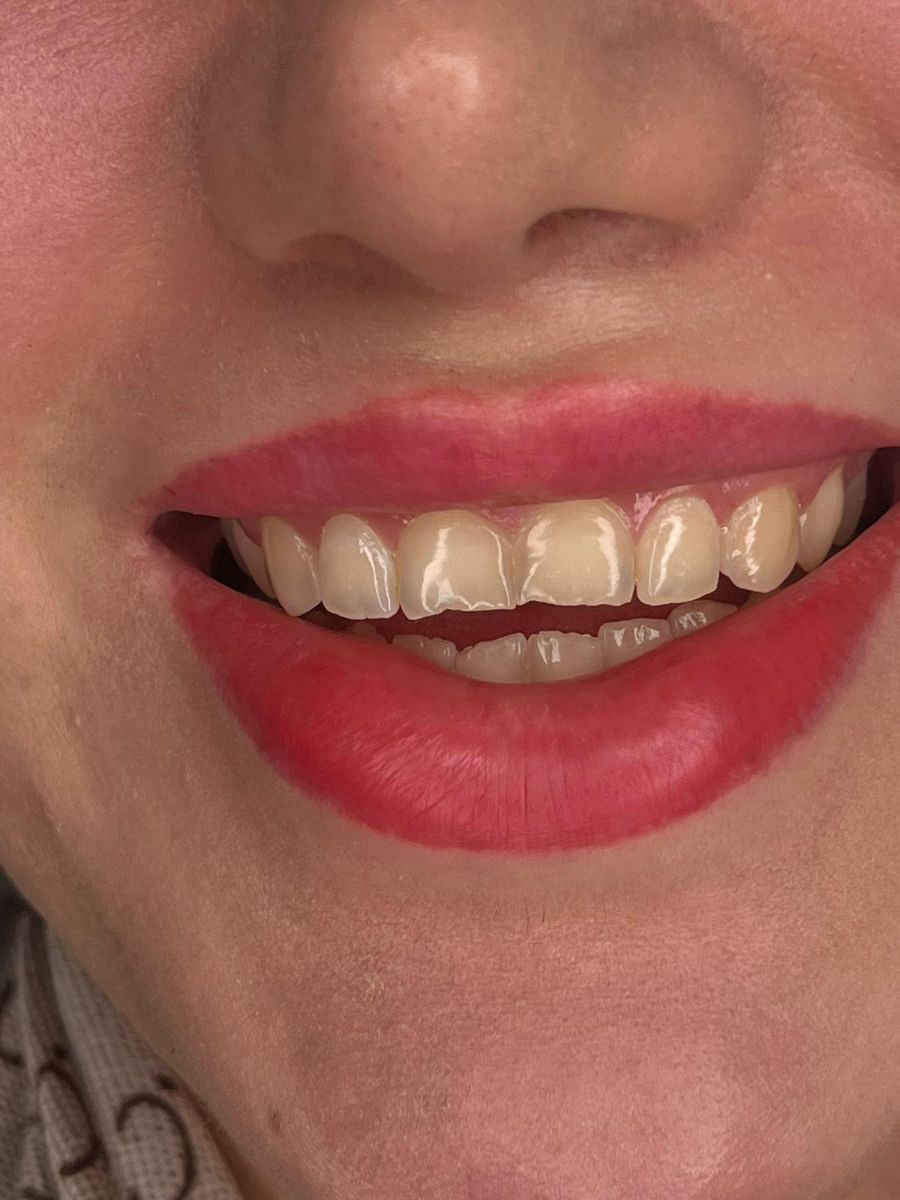
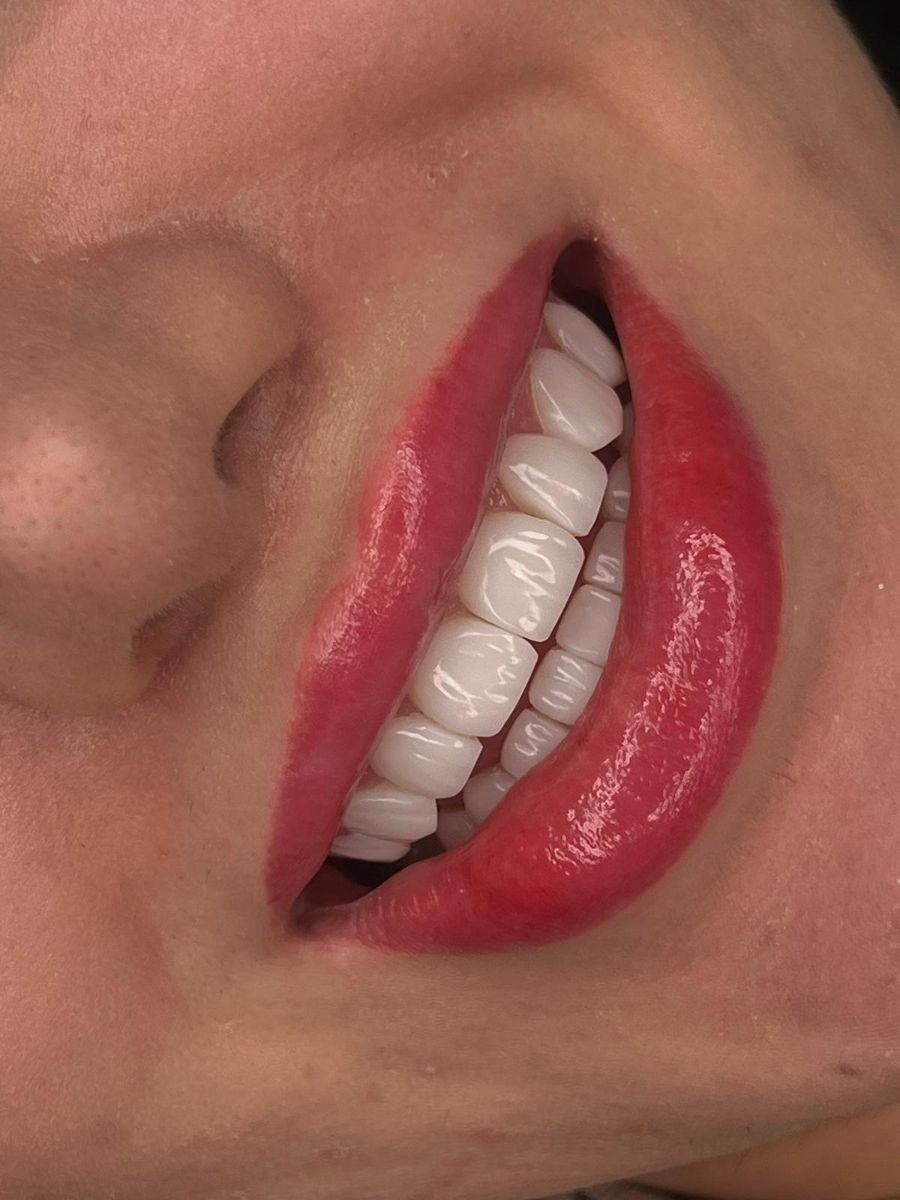 BeforeAfter
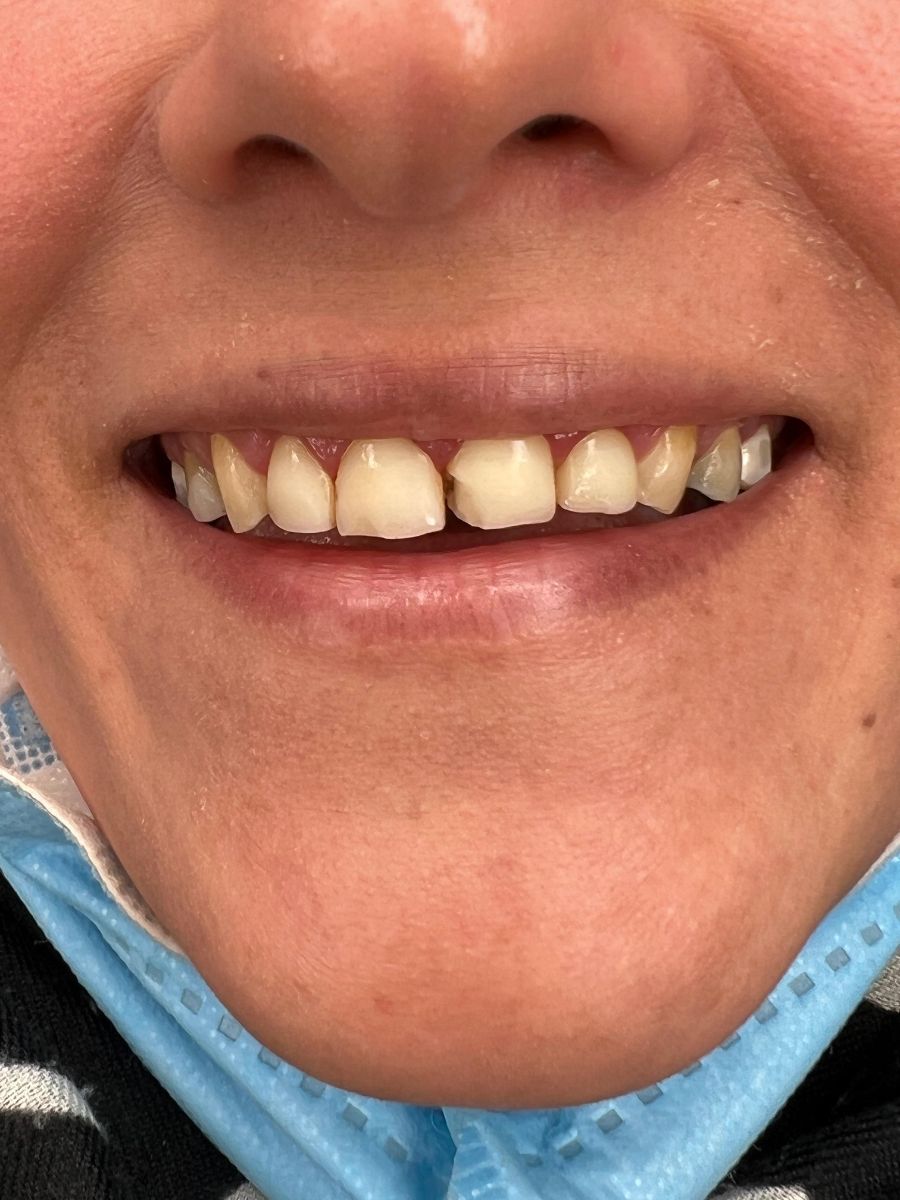
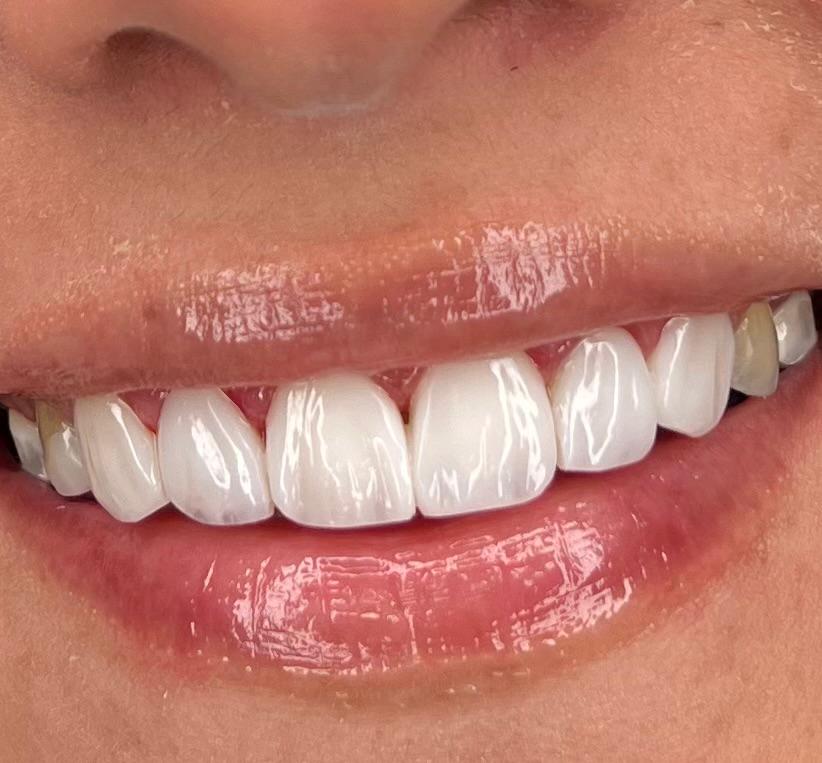 BeforeAfter
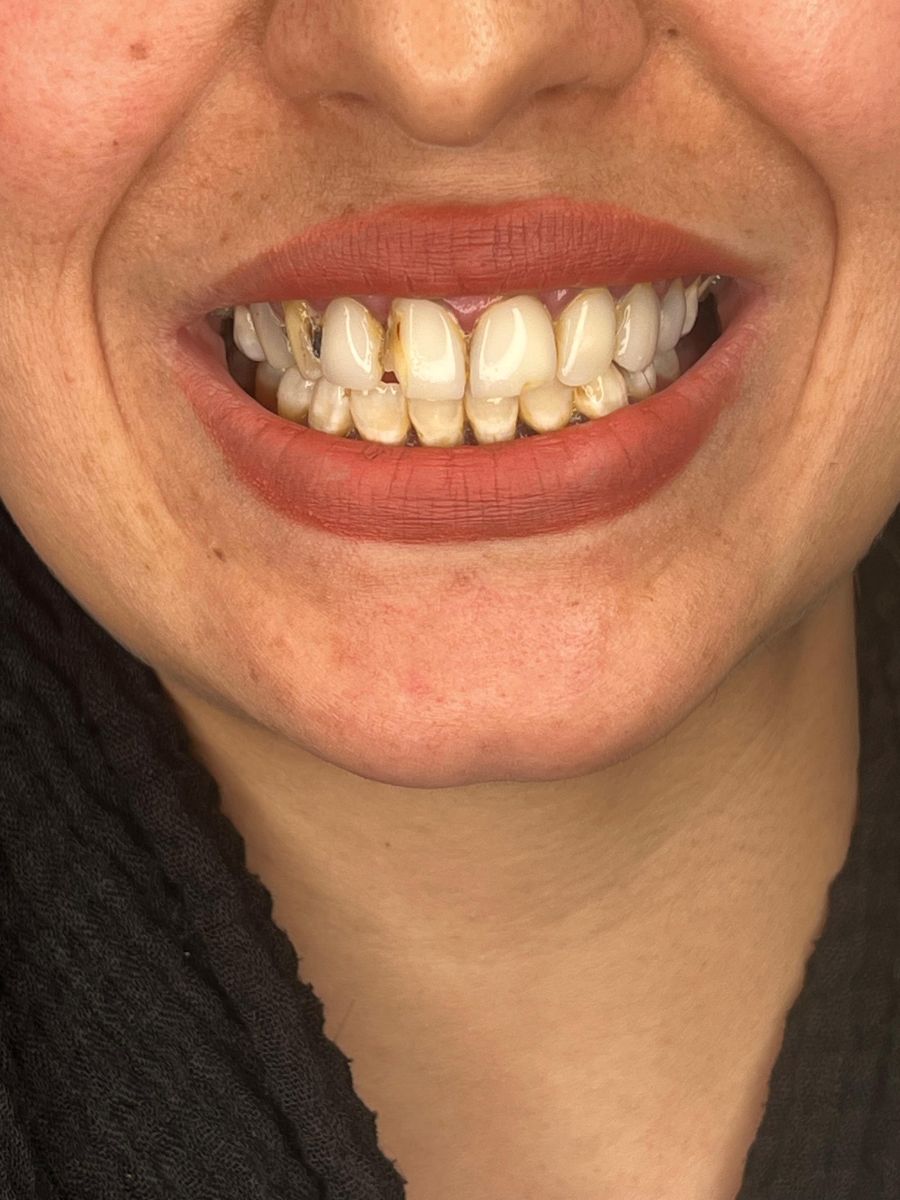
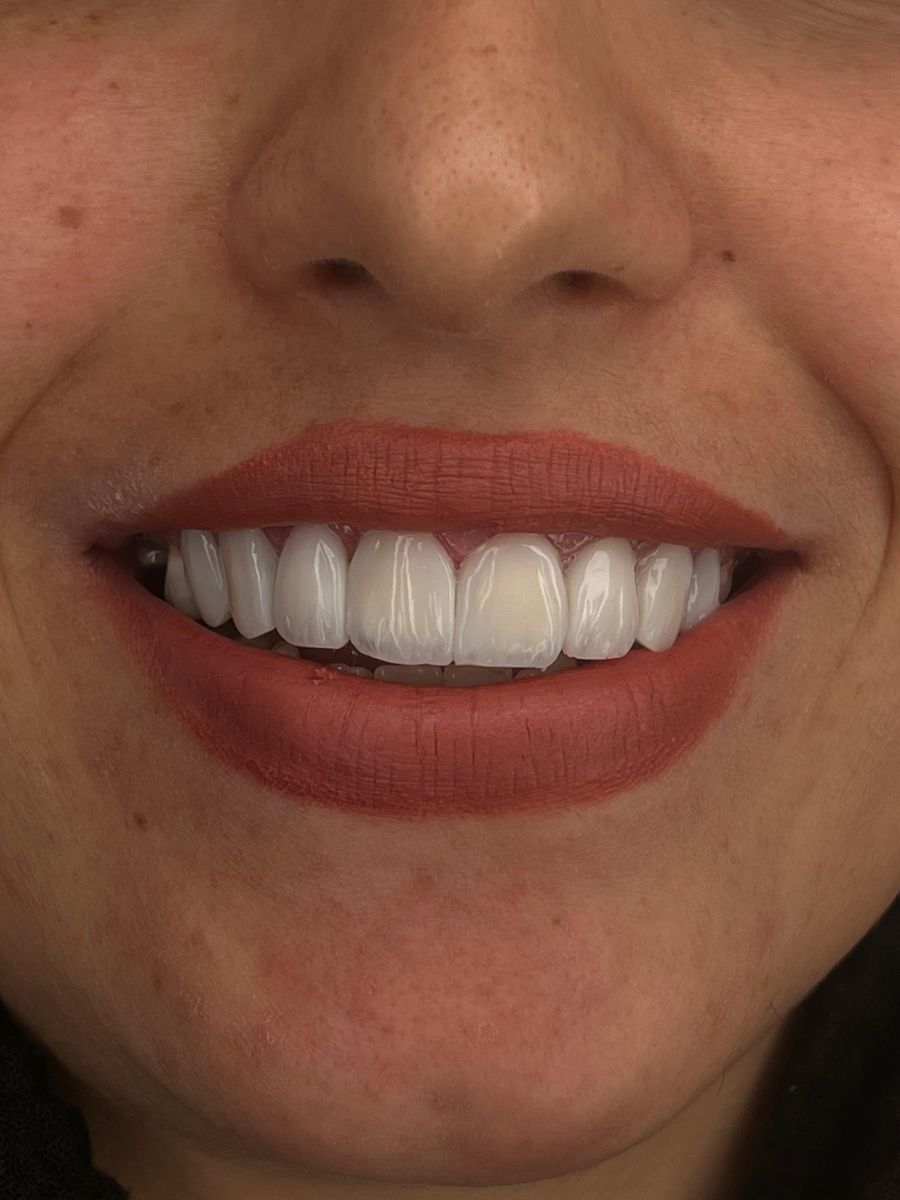 BeforeAfter
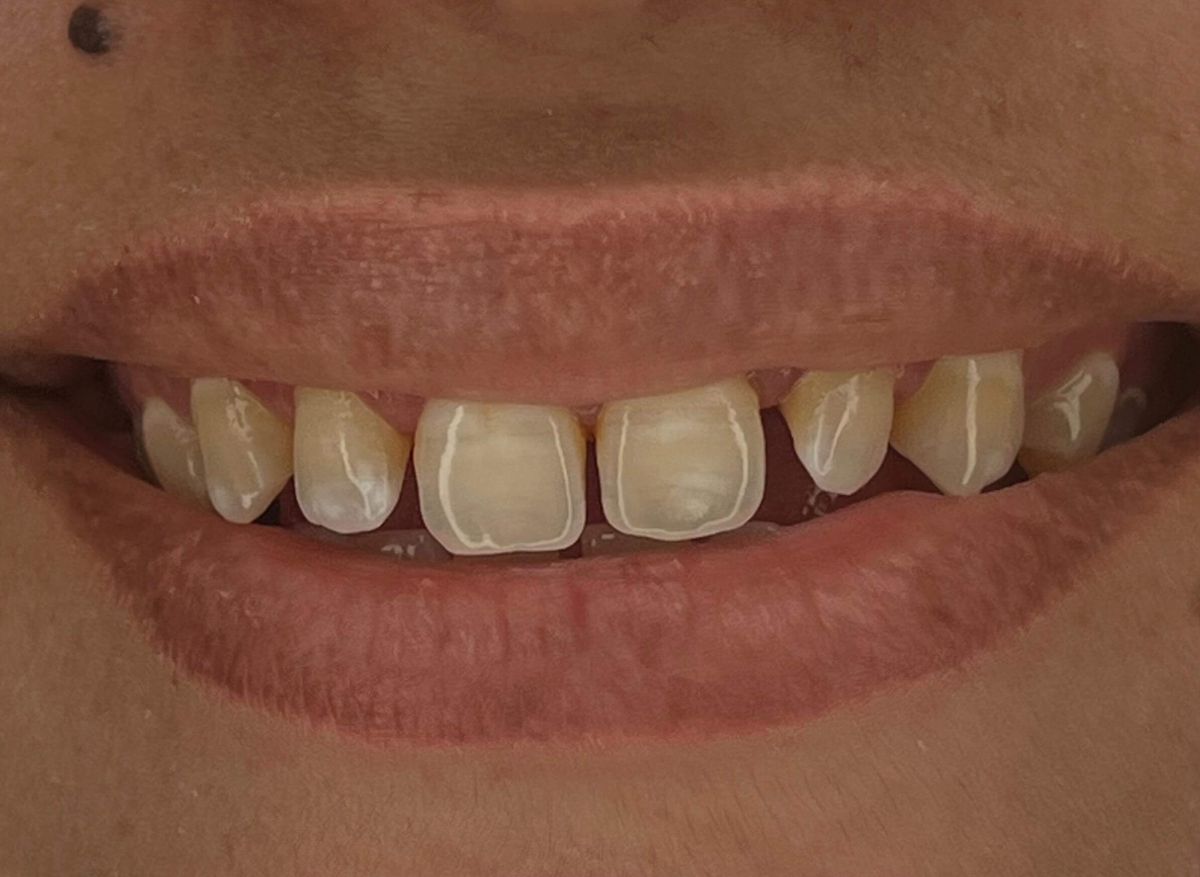
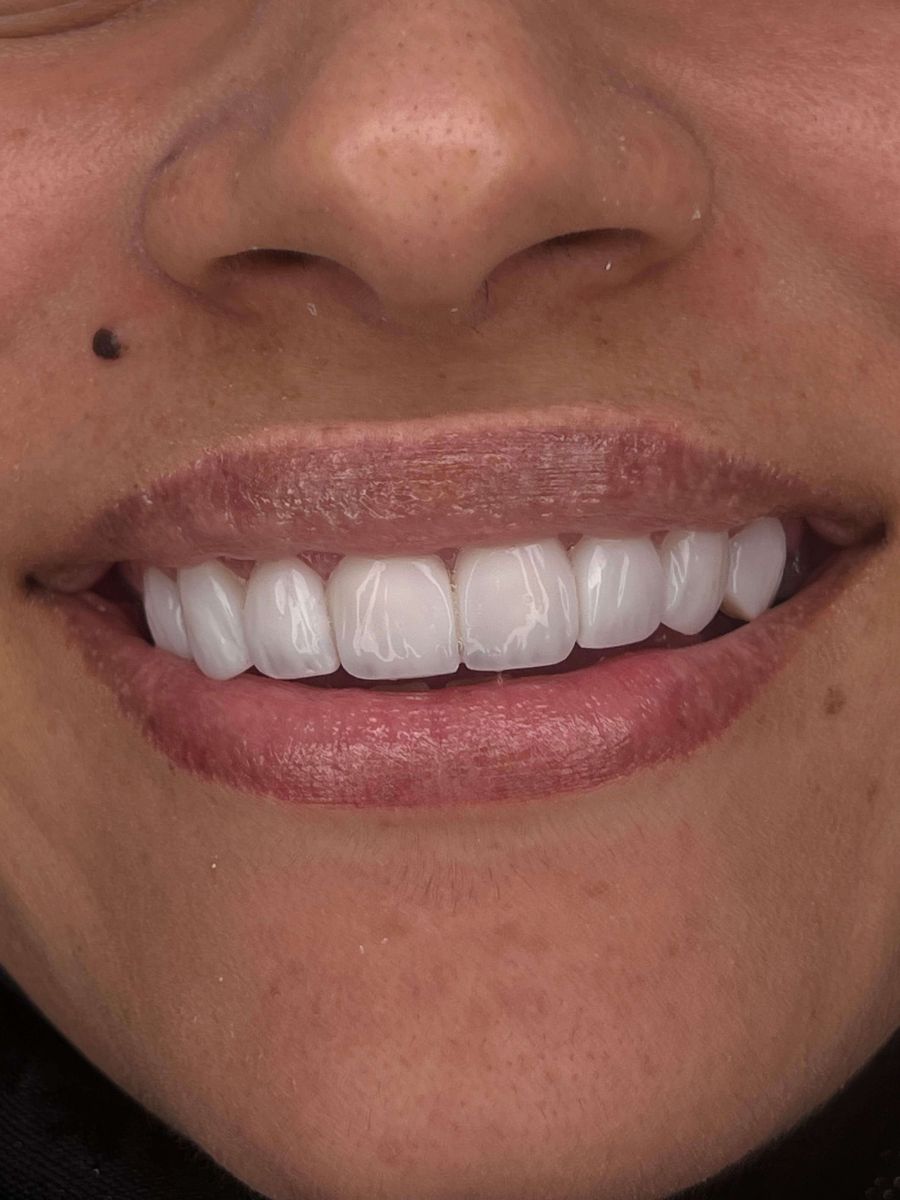 BeforeAfter
Composite bonding: common questions
Does composite bonding hurt?
Most bonding is done without injections because little or no tooth is removed. Some pressure or sensitivity is possible and usually settles quickly.
How long does it last?
It depends on your bite, habits and aftercare. Bonding usually needs polishing and occasional repairs over the years.
Can bonding be removed?
Usually yes. It can be adjusted, repaired or removed because the natural tooth underneath is largely preserved.
Can I whiten after bonding?
Composite does not change colour with whitening, so whitening is normally done first and the bonding matched to your new shade.